.svg)
.svg)

.svg)


.svg)
.svg)
.svg)
.svg)

.svg)
.svg)
.svg)
.svg)
Classifying Your Workers Correctly
Your company must distinguish properly between employees and independent contractors under IRS common law tests and Utah labor standards. You should review behavioral control, financial control, and the overall relationship to decide if a worker belongs on payroll or should be treated as a contractor.
Utah generally follows federal rules, but state agencies can audit your classifications for unemployment insurance, workers’ compensation, and wage laws. Misclassification can trigger back wages, unpaid overtime, tax assessments, penalties, and liability for unpaid benefits – you can learn more in Playroll’s employee misclassification guide.
Verify Employee Work Eligibility
For every new Utah hire, you must complete federal Form I‑9 within 3 business days of the employee’s start date. You need to examine original identity and work authorization documents, such as a U.S. passport or a combination of driver’s license and Social Security card, and record the details on the form.
Utah does not require private employers statewide to use E‑Verify, though some public contractors may be subject to separate mandates. You must retain I‑9s for at least 3 years after the hire date or 1 year after termination, whichever is later, and keep them available for inspection separate from general personnel files.
Create an Employee Onboarding Process
When you hire in Utah, you should issue a clear written offer letter outlining pay rate, pay schedule, exempt or nonexempt status, and key policies. As part of day‑one paperwork, you will collect federal Form W‑4, Utah state withholding form TC‑W4, direct deposit authorization if used, and signed acknowledgments for your handbook and key policies.
Your company must also provide any required wage notices, safety information, and benefits enrollment materials, and report new hires to the Utah New Hire Registry within 20 days. Building a consistent onboarding checklist helps you control compliance risk and gives you better visibility into the true cost of each Utah hire.
Calculate the true cost of hiring employees in Utah
Get a clear breakdown of employee costs, payroll taxes, benefits, and fees across 50+ states.
Calculate Costs
Pay Frequency & Methods
Utah law requires you to pay employees at least semimonthly, with no more than 16 days between regular paydays unless you have an approved exception. If you terminate an employee, you must pay all final wages within 24 hours if you initiate the discharge, or by the next regular payday if the employee resigns, or you can face waiting‑time claims and wage penalties.
Payment Methods (How You Can Pay)
In Utah, you can choose from several lawful payment methods, but you must always ensure employees receive full wages on time and get an accurate itemized pay statement.
- Payroll Check: You may pay by check drawn on a Utah financial institution – employees must be able to cash it at full face value without fees.
- Cash: You can pay wages in cash, but you must still provide a written wage statement showing hours, rates, deductions, and pay period dates.
- Direct Deposit (EFT): You may use direct deposit if you obtain the employee’s written consent and allow them to choose the receiving financial institution.
- Paycards: You can pay by payroll card only if employees have fee‑free access to their full net wages at least once per pay period and receive clear disclosures.
- Outsourced Payroll: You may outsource payroll processing to a third‑party provider, but your company remains legally responsible for timely, accurate wage payments and tax remittances.
When you hire employees in Utah, you must withhold and remit federal and state payroll taxes and pay employer contributions on top of gross wages. You will register with the Utah State Tax Commission and the Utah Department of Workforce Services before running payroll.
Employer Tax Contributions
As a Utah employer, you are responsible for federal Social Security and Medicare contributions, federal unemployment tax, Utah unemployment insurance, and any required local obligations. You must file returns and pay on the schedules assigned by each agency based on your total payroll and liability.
Employee Payroll Tax Contributions
Your Utah employees fund part of their Social Security and Medicare taxes and pay state income tax through withholding from each paycheck. You must calculate and withhold these amounts correctly, deposit them on time, and provide year‑end Forms W‑2.
Run compliant, on-time payroll in Utah
We cut payroll processing time by 80%, ensure full compliance, and provide hands-on support for both employers and employees.
Explore Payroll Services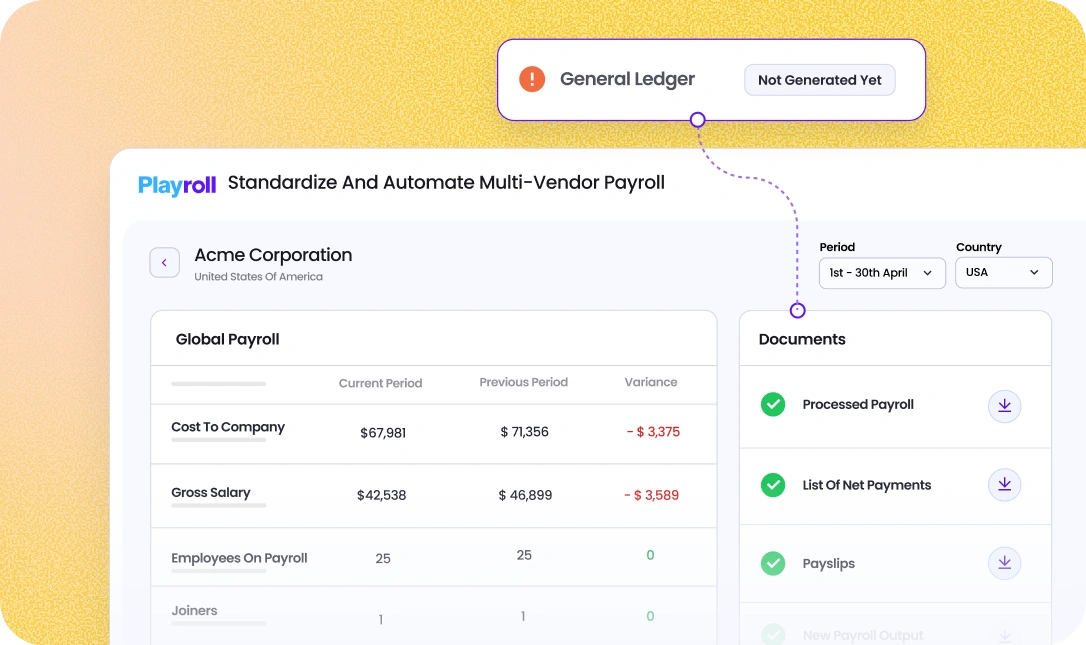
Minimum Wage in Utah
Utah’s minimum wage is currently $7.25 per hour, matching the federal Fair Labor Standards Act rate. Your company must pay at least this amount to non‑exempt employees, subject to limited exceptions such as certain tipped employees and youth training wages under federal rules.
Working Hours in Utah
Utah does not cap daily or weekly hours for most adult employees, but you must pay for all hours worked and comply with federal child labor limits for minors. You should track hours accurately, including travel time and certain on‑call time, to ensure correct wage and overtime calculations.
Overtime in Utah
Utah follows federal overtime rules, requiring you to pay at least 1.5 times the regular rate for all hours worked over 40 in a workweek by non‑exempt employees. You should define a fixed 7‑day workweek in your policies and classify exempt roles carefully to avoid unpaid overtime claims.
Utah does not mandate many fringe benefits, but offering health insurance, retirement plans, and paid leave can make your company more competitive. If you average 50 or more full‑time employees nationwide, you must comply with the federal Affordable Care Act’s employer shared‑responsibility rules for health coverage.
Mandatory Leave Policies in Utah
Paid Time Off in Utah
Utah does not require private employers to offer paid vacation or general PTO, so you can design your own policy based on your talent strategy and budget. If you choose to provide PTO, you should put clear rules in writing about accrual, carryover, caps, and whether unused time is paid out at separation.
Utah law does not automatically require payout of unused vacation, but if your policy or contract promises payout, you must follow it. To avoid disputes, your company should communicate PTO rules during onboarding and keep accurate accrual records in your HR or payroll system.
Maternity & Paternity Leave in Utah
Utah relies primarily on federal FMLA for maternity and paternity leave, which provides up to 12 weeks of unpaid, job‑protected leave for eligible employees after the birth or placement of a child. Your company must maintain group health coverage on the same terms during FMLA leave and restore the employee to the same or an equivalent position on return.
Utah does not currently offer a state‑run paid family leave program, so any paid parental leave you provide will come from your own policy or short‑term disability coverage. Many Utah employers enhance competitiveness by offering some paid bonding time or flexible return‑to‑work arrangements.
Sick Leave in Utah
Utah does not mandate paid sick leave for private employers, but you must follow any sick leave policy you adopt consistently and without discrimination. You may combine sick leave into a general PTO bank or keep it separate, as long as employees understand how to request and use it.
Even without a state paid‑sick‑leave law, federal laws such as the Americans with Disabilities Act may require you to consider unpaid leave or schedule adjustments as reasonable accommodations. Clear documentation of sick leave requests and approvals helps your company manage both compliance and productivity.
Military Leave in Utah
Your Utah employees who serve in the armed forces, National Guard, or reserves are protected by federal USERRA and applicable state statutes. You must allow unpaid leave for qualifying service, preserve seniority‑based benefits, and reinstate eligible employees to their positions or comparable roles when they return.
Utah law also provides certain protections for members of the state National Guard called to duty. You should train managers not to penalize employees for military obligations and coordinate benefits continuation according to your written policies.
Jury Duty in Utah
Utah employers must allow employees time off to serve on a jury and may not threaten, coerce, or discharge them because of jury service. State law does not require you to pay employees for this time, but many companies choose to provide some paid jury leave as a benefit.
You can request proof of jury service, such as a summons or court attendance slip, and you may adjust schedules to minimize disruption. Your policy should explain whether employees must use PTO or will receive separate jury‑duty pay.
Voting Leave in Utah
Utah law generally requires you to provide up to 2 hours of paid time off to vote if an employee does not have at least 3 consecutive non‑working hours while the polls are open. You may specify when during the workday the employee can be absent, as long as it does not interfere with their ability to vote.
To stay compliant, you should train supervisors on the voting‑leave rule and avoid disciplining employees who request lawful time off to vote. Including this right in your handbook helps employees understand how to coordinate with their managers on election days.
Bereavement Leave in Utah
Utah does not require private employers to provide bereavement leave, so whether time off is paid or unpaid is up to your company’s policy. Many employers offer 1–5 days of leave for the death of an immediate family member to support employees during difficult times.
Whatever policy you choose, apply it consistently and clarify eligibility, duration, and documentation expectations. Thoughtful bereavement benefits can strengthen employee loyalty and support your culture without creating significant administrative burden.
Termination Process
Utah is an at‑will employment state, so you or the employee may generally end the relationship at any time for any lawful reason, unless a contract states otherwise. To reduce risk, you should document performance issues, follow your disciplinary procedures, and provide a final written notice confirming the termination date and return of company property.
Notice Period
Utah law does not require employers or employees to give advance notice before ending employment, unless a contract or collective bargaining agreement requires it. Even without a legal mandate, many employers choose to give short notice for planned separations to support smoother transitions and knowledge transfer.
Severance
Severance pay is not required under Utah law, but you may offer it voluntarily, often in exchange for a signed release of claims that meets federal and state requirements. If you adopt a severance plan or standard formula, apply it consistently and clearly describe eligibility, payment timing, and any conditions such as non‑disparagement or non‑compete obligations.

ABOUT THE AUTHOR
Jaime Watkins
Jaime is a content specialist at Playroll, specializing in global HR trends and compliance. With a strong background in languages and writing, she turns complex employment issues into clear insights to help employers stay ahead of the curve in an ever-changing global workforce.
How do you set up payroll processing in Utah?

.png)
To set up payroll processing in Utah, you first register your business with the IRS for an EIN, then with the Utah State Tax Commission for a state withholding account and the Utah Department of Workforce Services for unemployment insurance. Next, you choose a payroll system, collect W‑4 and TC‑W4 forms from Utah employees, configure federal and Utah tax withholding, and establish a pay schedule that meets Utah’s semimonthly requirements, then run payroll and remit taxes and reports on the required federal and state timelines.
How does an Employer of Record help you hire in Utah?
An Employer of Record helps you hire in Utah by acting as the legal employer for tax and labor‑law purposes while you manage the employee’s work and performance. The provider handles Utah registrations, compliant employment contracts, payroll, tax withholding, benefits, and required insurance, so you can add Utah employees quickly without building in‑house HR and compliance infrastructure in the state.
Is there a minimum wage requirement for employees in Utah?
Yes, there is a minimum wage requirement for employees in Utah, and it currently matches the federal rate of $7.25 per hour for non‑exempt workers. Your company must pay at least this amount for all hours worked in Utah, follow federal rules for tipped employees and youth wages, and ensure overtime is paid at 1.5 times the regular rate for hours over 40 in a workweek.
How much does it cost to employ someone in Utah?
The cost to employ someone in Utah includes their gross wages plus employer payroll taxes such as Social Security, Medicare, FUTA, and Utah unemployment insurance, along with workers’ compensation premiums and any benefits you offer. You should also budget for indirect costs like recruiting, onboarding, equipment, and HR administration, which often add 15–30 percent or more on top of the employee’s base salary in Utah.

.svg)
















































.svg)