.svg)
.svg)

.svg)


.svg)
.svg)
.svg)
.svg)

.svg)
.svg)
.svg)
.svg)
Classifying Your Workers Correctly
Your company must decide whether each South Carolina hire is an employee or an independent contractor using federal IRS tests and applicable state guidance. The IRS focuses on behavioral control, financial control, and the overall relationship, while South Carolina agencies generally follow these same factors when assessing status.
If you misclassify workers, you may owe back wages, unpaid overtime, payroll taxes, interest, and penalties, and you could face liability under federal and state labor and tax laws. To reduce risk, you should document the basis for each classification decision and periodically review roles against current guidance, including resources such as Playroll's misclassification guide.
Verify Employee Work Eligibility
For every employee working in South Carolina, you must complete federal Form I‑9 within 3 business days of the start date to verify identity and work authorization. You must examine original acceptable documents from the employee, record the details on the I‑9, and retain the form for at least 3 years after hire or 1 year after termination, whichever is later.
South Carolina law requires all private employers to use E‑Verify for new hires, so your company must enroll in the system and submit verification after completing Section 2 of the I‑9. You should keep E‑Verify confirmation records with your onboarding files and apply the same verification process consistently to every new employee.
Create an Employee Onboarding Process
In South Carolina, your onboarding process should include a written offer letter, federal Form W‑4, any applicable South Carolina withholding forms, and collection of I‑9 documentation. You should also provide direct deposit authorization, your employee handbook, required workplace policies, and written notice of pay rate, pay frequency, and deductions as required by state wage payment law.
Your company should obtain signed acknowledgments for key policies, including at‑will employment, anti‑harassment, and timekeeping rules, and set up employees in your payroll and benefits systems before the first payday. Building a standardized onboarding checklist will help you keep hiring costs visible and predictable across your South Carolina workforce.
Calculate the true cost of hiring employees in South Carolina
Get a clear breakdown of employee costs, payroll taxes, benefits, and fees across 50+ states.
Calculate Costs
Pay Frequency & Methods
South Carolina requires you to notify employees in writing of their pay frequency and to maintain at least one regularly recurring payday, which may be weekly, biweekly, semimonthly, or monthly. If you change paydays or wage rates, you must give written notice at least 7 calendar days in advance, and failure to pay all wages due can result in civil penalties and potential liability for up to three times the unpaid amount.
When employment ends, South Carolina law requires you to pay all wages due by the next regularly scheduled payday, either through your usual method or by mail if agreed. You should document final pay calculations, including any earned commissions or bonuses, to avoid wage disputes.
Payment Methods (How You Can Pay)
You can choose from several compliant payment methods in South Carolina, but you must clearly disclose terms, avoid unlawful deductions, and ensure employees can access their full wages without unreasonable cost or delay.
- Payroll Check: You may pay employees by check as long as it is payable at full face value in cash at a bank or other established place of business you designate in advance.
- Cash: You may pay wages in cash, but you must still provide an accurate written wage statement showing hours, rates, and all deductions each pay period.
- Direct Deposit (EFT): You may require or offer direct deposit if employees can access wages without fees, and you must obtain and keep written authorization where it is voluntary.
- Paycards: You may use payroll cards if employees receive clear disclosures, at least one free full‑wage withdrawal per pay period, and a way to access account information without charge.
- Outsourced Payroll: You may outsource payroll to a third‑party provider, but your company remains legally responsible for timely, accurate wage payments and tax withholdings.
When choosing payment methods, you should consider employee access to banking, potential fees, and your recordkeeping needs so that your South Carolina payroll stays both compliant and efficient.
When you hire employees in South Carolina, your company must withhold and remit federal and state payroll taxes and pay several employer‑only contributions. You will need separate registrations for South Carolina income tax withholding and state unemployment insurance before you run your first payroll.
Employer Tax Contributions
As a South Carolina employer, you are responsible for federal Social Security and Medicare matching, federal unemployment (FUTA), and South Carolina state unemployment insurance, along with any local obligations that may apply. You must register with the South Carolina Department of Revenue for withholding and with the South Carolina Department of Employment and Workforce for unemployment, then file returns and pay contributions on the required schedules.
Employee Payroll Tax Contributions
Your company must withhold federal income tax, South Carolina state income tax, and the employee portions of Social Security and Medicare from each paycheck. You must deposit these withholdings on the correct federal and state schedules and provide employees with Form W‑2 after year‑end.
Run compliant, on-time payroll in South Carolina
We cut payroll processing time by 80%, ensure full compliance, and provide hands-on support for both employers and employees.
Explore Payroll Services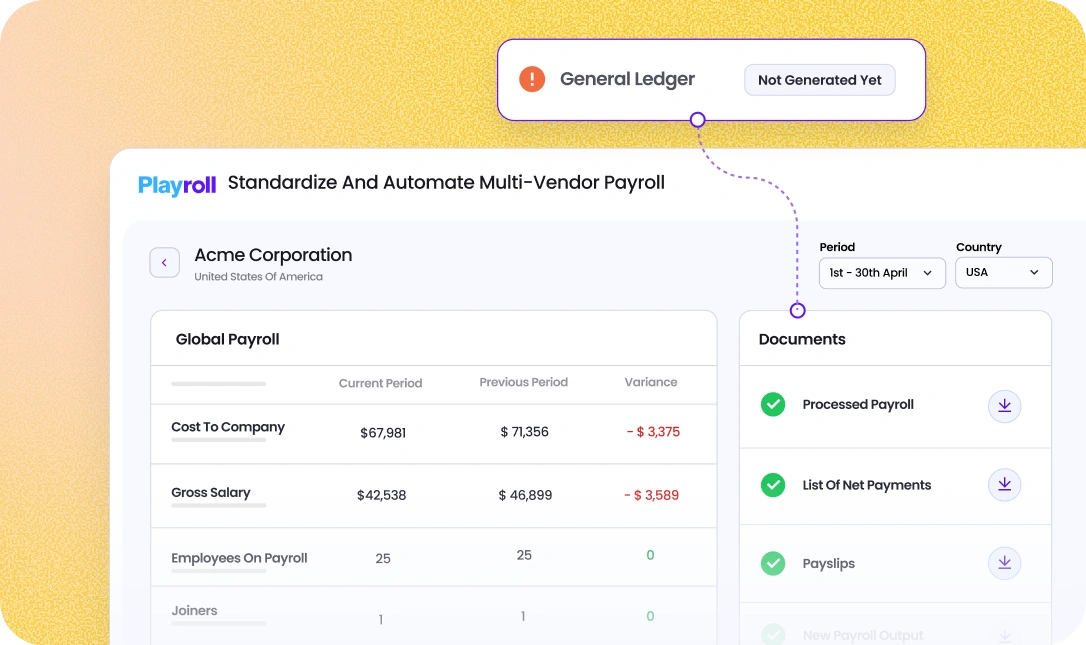
Minimum Wage in South Carolina
South Carolina does not have its own minimum wage, so the federal minimum of $7.25 per hour under the Fair Labor Standards Act applies to most employees. Your company must also follow federal rules for tipped employees, youth wages, and any applicable exemptions.
Working Hours in South Carolina
South Carolina does not set a daily maximum for working hours for adults, so federal law governs scheduling and rest requirements for most employees. You should implement clear timekeeping policies, ensure non‑exempt employees record all hours worked, and manage meal and rest breaks consistently to avoid off‑the‑clock work.
Overtime in South Carolina
South Carolina follows federal overtime rules, which require you to pay at least 1.5 times the regular rate for all hours worked over 40 in a workweek by non‑exempt employees. You should carefully determine exempt status under the FLSA salary and duties tests and maintain accurate records of hours, rates, and overtime calculations.
In South Carolina, most private‑sector benefits such as health insurance, retirement plans, and paid time off are driven by federal law and market practice rather than state mandates. If you average 50 or more full‑time employees in the U.S., the Affordable Care Act requires you to offer affordable, minimum‑value health coverage or face potential penalties, so your South Carolina benefits strategy should align with your national plan design.
Mandatory Leave Policies in South Carolina
Paid Time Off in South Carolina
South Carolina does not require private employers to provide paid vacation or general PTO, so you can design your own policy to support attraction and retention. Once you adopt a PTO or vacation policy, you must follow your written terms on accrual, caps, and payout, and clearly communicate any conditions in your handbook or employment agreements.
State law allows you to decide whether unused PTO is paid out at termination, but your policy must be explicit and consistently applied. Many employers in South Carolina offer at least 10 to 20 days of combined PTO annually to stay competitive in the regional labor market.
Maternity & Paternity Leave in South Carolina
South Carolina does not mandate separate paid maternity or paternity leave for private employers, but eligible employees of covered employers may take unpaid, job‑protected leave under the federal FMLA for childbirth and bonding. FMLA generally provides up to 12 weeks of unpaid leave in a 12‑month period for eligible employees who have worked at least 1,250 hours in the past year for an employer with 50 or more employees within 75 miles.
Your company can choose to offer paid parental leave or to coordinate with short‑term disability benefits to replace income during maternity recovery. Clear policies on notice, benefit continuation, and return‑to‑work expectations will help you manage parental leave consistently across your South Carolina workforce.
Sick Leave in South Carolina
There is no statewide requirement for private employers in South Carolina to provide paid or unpaid sick leave beyond what may be required under federal law or your own policies. You may offer a dedicated sick bank or combine sick time into a general PTO policy, as long as you administer it fairly and in line with your written rules.
Even without a mandate, offering at least a modest amount of paid sick time can reduce presenteeism and support employee well‑being. Be sure your policy explains accrual rates, carryover rules, and any documentation requirements for extended absences.
Military Leave in South Carolina
Employees in South Carolina who serve in the uniformed services are protected by federal USERRA and state law, which require you to grant unpaid leave for qualifying service and to reinstate eligible employees to their jobs upon timely return. You must maintain seniority‑based benefits as if the employee had not been absent, and you cannot discriminate based on military status.
Your company is not generally required to pay employees during military leave, but some employers voluntarily provide differential pay to remain competitive. You should document your military leave policy and train managers on handling orders, documentation, and reemployment timelines.
Jury Duty in South Carolina
South Carolina law prohibits employers from disciplining or terminating an employee for responding to a jury summons or serving as a juror. Private employers are not required to pay employees for time spent on jury duty, but you must allow the time off and may request proof of service.
To avoid disputes, your policy should explain whether jury duty time is paid or unpaid, how employees should report summonses, and how they should record time away from work. Many employers choose to provide a limited number of paid jury duty days per year as a civic‑minded benefit.
Voting Leave in South Carolina
South Carolina does not have a general statute requiring private employers to provide paid time off to vote, but you may not retaliate against employees for exercising their voting rights. Because polling hours can conflict with work schedules, many employers voluntarily allow flexible scheduling or limited unpaid time off so employees can vote.
Including a short voting leave or flexible scheduling policy in your handbook can support civic participation and reduce last‑minute scheduling conflicts on election days. Make sure any such policy is applied consistently to all eligible employees.
Bereavement Leave in South Carolina
South Carolina law does not require private employers to provide bereavement or funeral leave, so any such time off is governed by your internal policy. Many employers offer 1 to 3 paid days for the death of an immediate family member to support employees during difficult times.
Your bereavement policy should define covered relationships, duration of leave, whether the time is paid, and any documentation you may request. Clear guidelines help managers respond compassionately and consistently when employees experience a loss.
Termination Process
South Carolina is an at‑will employment state, so you or the employee may generally end the relationship at any time for any lawful reason, subject to contracts and anti‑discrimination laws. Your company should follow a consistent termination process that includes documenting performance issues, collecting company property, revoking system access, and providing final pay information in writing.
Notice Period
South Carolina law does not require employers or employees to give advance notice of termination, but written employment contracts or collective bargaining agreements may impose notice obligations. Even without a legal requirement, you should review any agreements, consider business needs, and communicate termination decisions clearly to reduce the risk of disputes.
Severance
Severance pay is not required under South Carolina law, but you may choose to offer it as part of a written policy or individual separation agreement. If you provide severance, you must follow the terms you promise and ensure any release agreements comply with federal and state requirements, especially for older workers.

ABOUT THE AUTHOR
Jaime Watkins
Jaime is a content specialist at Playroll, specializing in global HR trends and compliance. With a strong background in languages and writing, she turns complex employment issues into clear insights to help employers stay ahead of the curve in an ever-changing global workforce.
How do you set up payroll processing in South Carolina?

.png)
To set up payroll processing in South Carolina, you first obtain a federal EIN, then register with the South Carolina Department of Revenue for state income tax withholding and with the South Carolina Department of Employment and Workforce for unemployment insurance. After registration, you configure your payroll system to apply federal and South Carolina tax rules, define pay periods and paydays, collect Forms W‑4 and I‑9 from employees, and establish procedures for timely deposits and filings, including electronic payments and quarterly returns.
How does an Employer of Record help you hire in South Carolina?
An Employer of Record helps you hire in South Carolina by acting as the legal employer for your local staff, so you do not need to form a South Carolina entity or obtain separate state payroll accounts. The provider handles compliant employment contracts, onboarding, payroll, tax withholding, and benefits administration under South Carolina and federal law, while you manage the employee’s role, performance, and daily work.
Is there a minimum wage requirement for employees in South Carolina?
There is a minimum wage requirement for employees in South Carolina, but it comes from federal rather than state law, because South Carolina has no separate state minimum wage. Most employees must be paid at least the federal minimum wage of $7.25 per hour, and your company must also follow federal rules for overtime, tipped employees, and any applicable exemptions.
How much does it cost to employ someone in South Carolina?
The cost to employ someone in South Carolina includes the employee’s gross wages plus employer payroll taxes such as Social Security, Medicare, FUTA, and South Carolina unemployment insurance, along with any benefits you offer like health insurance, retirement contributions, and paid time off. You should also budget for workers’ compensation premiums, payroll processing fees, and onboarding costs, which together often add 15–30% or more on top of base salary depending on your benefit levels and industry risk.

.svg)



















































.svg)