.svg)
.svg)
.svg)

.svg)


.svg)
.svg)
.svg)
.svg)

.svg)
.svg)
.svg)
.svg)
Classifying Your Workers Correctly
Your company must distinguish properly between employees and independent contractors under IRS common law tests and Rhode Island’s “right to control” standards. You should review behavioral control, financial control, and the overall relationship to decide if someone is truly in business for themselves or economically dependent on you.
Rhode Island can hold you liable for back wages, overtime, unemployment and TDI contributions, workers’ compensation premiums, taxes, interest, and civil penalties if you misclassify workers. To reduce risk, document your reasoning, use written contracts that match the actual working relationship, and review guidance such as the federal and state resources linked in Playroll’s employee misclassification guide.
Verify Employee Work Eligibility
For every Rhode Island hire, you must complete federal Form I‑9 within three business days of the employee’s start date and inspect original identity and work authorization documents. You must retain I‑9s for at least three years after the hire date or one year after termination, whichever is later, and keep them available for inspection.
Rhode Island does not mandate E‑Verify for most private employers, but you may choose to use it voluntarily if you apply it consistently and follow federal rules. Make sure your onboarding team knows which documents are acceptable for I‑9 purposes and never request more or different documents than the form allows, to avoid discrimination claims.
Create an Employee Onboarding Process
Your onboarding process in Rhode Island should include a written offer letter, federal Form W‑4, Rhode Island withholding Form RI W‑4, and direct deposit authorization if the employee opts in. You should also collect signed acknowledgments for your employee handbook, at‑will employment statement where applicable, and required state notices such as wage rate, pay schedule, and workers’ compensation information.
Build a checklist that also covers reporting new hires to the Rhode Island New Hire Reporting Directory within 14 days and enrolling eligible staff in benefits within stated waiting periods. With Playroll, you can see the full cost of hiring in Rhode Island up front, including taxes and benefits, before you extend an offer.
Calculate the true cost of hiring employees in Rhode Island
Get a clear breakdown of employee costs, payroll taxes, benefits, and fees across 50+ states.
Calculate Costs
Pay Frequency & Methods
Rhode Island generally requires you to pay employees at least twice per month, with no more than 19 days between regular paydays, unless you obtain approval for a different schedule. If you terminate an employee, you must pay all wages due by the next regular payday, while employees who resign must also receive final pay by the next scheduled payday.
Late or unpaid wages can trigger claims with the Rhode Island Department of Labor and Training, liquidated damages, and potential civil penalties, so you should lock in a clear payroll calendar and backup process. Keep accurate time and payroll records for at least three years to support compliance and respond to any audits or wage claims.
Payment Methods (How You Can Pay)
You can choose among several lawful wage payment methods in Rhode Island, but you must always ensure employees receive full wages on time and have clear access to their pay information.
- Payroll Check: You may pay by check drawn on a Rhode Island or accessible bank, and you must ensure employees can cash it at full face value without fees.
- Cash: You may pay wages in cash, but you must provide a written wage statement showing hours, rates, deductions, and net pay each pay period.
- Direct Deposit (EFT): You can offer direct deposit as a voluntary option only – employees must give written consent and be able to choose their financial institution.
- Paycards: You may use payroll cards if employees can access their full wages at least once per pay period without fees and you provide clear written disclosures and an alternative method.
- Outsourced Payroll: You can outsource payroll to a third‑party provider, but your company remains responsible for compliance with Rhode Island wage, tax, and recordkeeping rules.
When you hire in Rhode Island, you must register with state agencies and withhold and remit several federal and state payroll taxes. Your company is responsible for employer contributions such as unemployment insurance and Temporary Disability Insurance, as well as timely depositing employee withholdings.
Employer Tax Contributions
Before running payroll, you must register with the Rhode Island Division of Taxation and the Department of Labor and Training to obtain the necessary tax accounts. You will then calculate and pay state unemployment insurance, Temporary Disability Insurance, and, for most employers, Temporary Caregiver Insurance contributions, in addition to federal FUTA.
Employee Payroll Tax Contributions
You must withhold federal income tax, Social Security and Medicare (FICA), Rhode Island state income tax, and the employee share of TDI/TCI from each paycheck. Your company must deposit these amounts on the required schedules and file periodic returns with both the IRS and Rhode Island Division of Taxation.
Run compliant, on-time payroll in Rhode Island
We cut payroll processing time by 80%, ensure full compliance, and provide hands-on support for both employers and employees.
Explore Payroll Services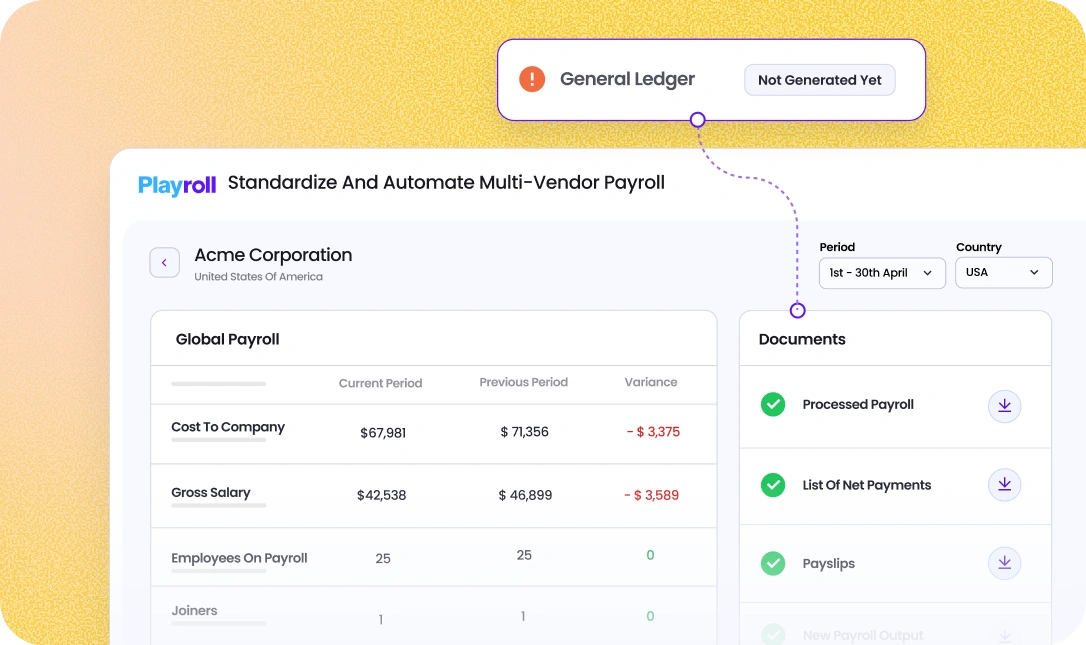
Minimum Wage in Rhode Island
As of 2026, Rhode Island’s general minimum wage is $16.00 per hour for most non‑exempt employees, with a lower cash wage allowed for tipped workers if tips bring them up to at least the full minimum. Your company must track hours accurately and make up any shortfall if a tipped employee’s combined cash wage and tips do not reach the state minimum.
Working Hours in Rhode Island
Rhode Island does not cap daily or weekly hours for most adults, but you must pay at least the minimum wage for all hours worked and comply with day‑of‑rest and meal period rules in certain industries. Employees working a six‑hour shift that extends over the noon meal period are generally entitled to a 20‑minute unpaid meal break, and some retail employees have rights to Sunday and holiday premium pay.
Overtime in Rhode Island
Rhode Island follows the federal Fair Labor Standards Act by requiring overtime pay at 1.5 times the regular rate for non‑exempt employees who work more than 40 hours in a workweek. Certain employees are exempt based on their job duties and salary level, so you should review each position carefully and keep written classifications and time records to support your decisions.
In Rhode Island, you must comply with federal benefit laws such as the Affordable Care Act if you average 50 or more full‑time employees, which may require you to offer affordable health coverage. Even if you are smaller, offering health insurance, retirement plans, and paid time off can make your Rhode Island roles more competitive in a tight labor market.
Mandatory Leave Policies in Rhode Island
Paid Time Off in Rhode Island
Rhode Island does not require general vacation or PTO, but once your company offers it, you must follow your written policy and any promises you make to employees. Many employers combine vacation, personal days, and sick time into a single PTO bank and set clear rules on accrual, carryover, and payout at separation.
Some Rhode Island employers choose to pay out unused vacation at termination to stay competitive and avoid disputes, even when not strictly required. Make sure your PTO policy coordinates with the state’s paid sick and safe leave rules so employees receive at least the minimum protections.
Maternity & Paternity Leave in Rhode Island
Eligible employees in Rhode Island may qualify for job‑protected unpaid leave for the birth, adoption, or foster placement of a child under federal FMLA and the Rhode Island Parental and Family Medical Leave Act. These laws typically apply to employers with a minimum number of employees and to workers who meet service and hours thresholds.
Through the state TDI and TCI programs, employees may also receive partial wage replacement for several weeks while bonding with a new child or recovering from childbirth. Your company should provide clear written guidance on how parental leave interacts with PTO, sick leave, and any company‑paid parental benefits you choose to offer.
Sick Leave in Rhode Island
Under the Healthy and Safe Families and Workplaces Act, Rhode Island employers with 18 or more employees must provide paid sick and safe leave that can be used for an employee’s illness, a family member’s illness, or certain safety‑related reasons. Smaller employers must at least provide job‑protected unpaid leave for the same purposes.
You may allow employees to accrue sick leave over time or front‑load it annually, but you must communicate accrual rates, caps, and carryover rules in writing. Your company should also train managers on when documentation can be requested and how to handle confidential health information.
Military Leave in Rhode Island
Employees in Rhode Island who serve in the armed forces, National Guard, or reserves are protected by federal USERRA and state military leave laws. You must allow time off for qualifying service, training, and deployment, and you generally must reinstate returning service members to the same or a comparable position if they meet eligibility criteria.
While you are not usually required to pay employees during military leave, you must continue certain benefits and allow employees to elect COBRA or similar continuation for health coverage. Make sure your policies explain how employees should notify you of upcoming service and what documentation you may request on return.
Jury Duty in Rhode Island
Your company must allow employees to take time off to serve on a jury in Rhode Island and may not discipline or terminate them for complying with a summons. State law may require some employers to pay a limited amount for the first days of jury service, so you should confirm current thresholds and reflect them in your handbook.
You can ask employees to provide a copy of the jury summons and to keep you informed about expected duration, but you cannot require them to use vacation or sick time instead of jury leave unless state law allows. Coordinate schedules in advance to minimize disruption while respecting the employee’s civic obligation.
Voting Leave in Rhode Island
Rhode Island law does not currently mandate paid voting leave for most private employees, but you should avoid scheduling practices that effectively prevent workers from voting during polls’ open hours. Many employers voluntarily provide flexible scheduling or unpaid time off so employees can vote in state and federal elections.
Including a short voting leave or flexible‑hours policy in your handbook can support employee engagement and reduce last‑minute scheduling conflicts on election days. Make sure managers understand they may not retaliate against employees for exercising their right to vote.
Bereavement Leave in Rhode Island
Rhode Island does not require private employers to provide bereavement leave, but many companies offer several days of paid or unpaid time off following the death of an immediate family member. A clear written policy helps ensure consistent treatment and sets expectations about eligibility, duration, and documentation.
Some Rhode Island employers extend bereavement leave to close non‑family relationships or pregnancy loss to support employee well‑being. Whatever you decide, communicate the policy during onboarding so employees know what support is available during difficult times.
Termination Process
Rhode Island is generally an at‑will employment state, so you may terminate employees for any lawful reason, but you must avoid discriminatory or retaliatory motives and follow your own policies and contracts. Document performance issues, conduct fair investigations, and provide a clear termination letter summarizing the effective date, final pay timing, and benefits information.
Notice Period
Rhode Island law does not require a general notice period for terminating employees, unless you have agreed to one in an employment contract or collective bargaining agreement. However, you must comply with any federal or state plant‑closing or mass‑layoff notice rules that apply to large workforce reductions, and you should give as much practical notice as possible to reduce disruption.
Severance
Severance pay is not mandated in Rhode Island, but many employers offer it in exchange for a signed release of claims, especially for long‑tenured or higher‑level employees. If you provide severance, apply your policy consistently, explain how it is calculated, and ensure any release agreements comply with federal and state requirements, particularly for older workers.

ABOUT THE AUTHOR
Jaime Watkins
Jaime is a content specialist at Playroll, specializing in global HR trends and compliance. With a strong background in languages and writing, she turns complex employment issues into clear insights to help employers stay ahead of the curve in an ever-changing global workforce.
How do you set up payroll processing in Rhode Island?

.png)
To set up payroll processing in Rhode Island, you first register your business with the Rhode Island Division of Taxation and the Department of Labor and Training to obtain state withholding and unemployment accounts. Then you collect Forms W‑4 and RI W‑4 from employees, configure your system to withhold federal and Rhode Island income tax plus TDI/TCI, calculate and pay state unemployment insurance, and establish a regular pay schedule that meets Rhode Island’s twice‑monthly requirement, filing all returns and deposits on the state’s assigned due dates.
How does an Employer of Record help you hire in Rhode Island?
An Employer of Record helps you hire in Rhode Island by acting as the legal employer for state purposes, so you do not need to open a Rhode Island entity or register for multiple tax accounts yourself. The provider handles compliant offer documentation, payroll, Rhode Island tax withholding, unemployment and TDI/TCI contributions, and required state notices and leave rules, while you focus on managing the employee’s role and performance.
Is there a minimum wage requirement for employees in Rhode Island?
Yes, there is a minimum wage requirement for employees in Rhode Island, and as of 2026 most non‑exempt workers must be paid at least $16.00 per hour. Tipped employees can be paid a lower cash wage only if their tips bring them up to at least the full Rhode Island minimum wage each workweek, and your company must track hours and tips closely to ensure compliance.
How much does it cost to employ someone in Rhode Island?
The cost to employ someone in Rhode Island includes the employee’s gross wages, plus employer payroll expenses such as state unemployment insurance, your share of FICA, workers’ compensation premiums, and any health, retirement, or other benefits you offer. You also need to factor in Rhode Island‑specific costs like administering TDI/TCI deductions, potential paid sick and safe leave, and the administrative time or service fees for running compliant payroll and HR processes in the state.

.svg)



















































.svg)