.svg)
.svg)

.svg)


.svg)
.svg)
.svg)
.svg)

.svg)
.svg)
.svg)
.svg)
Classifying Your Workers Correctly
Your company must distinguish properly between employees and independent contractors under IRS common law tests and New York’s own criteria on control, integration, and financial independence. New York agencies closely review gig, freelance, and “consultant” arrangements, especially in construction, trucking, and hospitality.
Misclassification in New York can trigger back wages, unpaid overtime, liquidated damages, unpaid unemployment and workers’ compensation premiums, and civil penalties. You should review the IRS control factors, state guidance, and this misclassification resource before finalizing roles.
Verify Employee Work Eligibility
For every New York hire, you must complete federal Form I‑9 within 3 business days of the employee’s start date and examine original identity and work authorization documents. You must retain I‑9s for at least 3 years after the hire date or 1 year after termination, whichever is later.
New York does not mandate E‑Verify for most private employers, but you may opt in if it fits your compliance program. You should store I‑9s separately from personnel files, apply the same document standards to all employees, and be prepared to present records in the event of a federal audit.
Create an Employee Onboarding Process
When you hire in New York, you should issue a written offer letter outlining position, pay rate, exempt status, and work location, then collect federal Form W‑4 and New York Form IT‑2104 for tax withholding. You must also provide the state Wage Theft Prevention Act notice at hire, a wage statement each payday, and any required notices on unemployment insurance, workers’ compensation, and disability benefits.
Your onboarding packet should include direct deposit authorization, handbook acknowledgment, and signed policies on harassment prevention, timekeeping, and overtime. Building a consistent onboarding checklist helps you control risk and gives you clear visibility into the full cost of hiring in New York.
Calculate the true cost of hiring employees in New York
Get a clear breakdown of employee costs, payroll taxes, benefits, and fees across 50+ states.
Calculate Costs
Pay Frequency & Methods
New York requires weekly pay for manual workers (with limited exceptions), at least semi‑monthly pay for clerical and other workers, and payment no later than 7 calendar days after the end of the pay period for weekly payrolls. When employment ends, you must pay all earned wages by the next regular payday, and late or unpaid wages can lead to interest, liquidated damages, and civil penalties.
Payment Methods (How You Can Pay)
In New York, you can choose among several payment methods, but you must always ensure employees receive full wages on time and with a compliant wage statement.
- Payroll Check: You may pay by check drawn on a New York bank, and you must ensure employees can cash it at full face value without fees.
- Cash: You may pay wages in cash, but you must provide a detailed wage statement and keep accurate payroll records for at least 6 years.
- Direct Deposit (EFT): You may use direct deposit only with the employee’s voluntary written consent, and you must allow employees to opt out without penalty.
- Paycards: You may use payroll cards if employees consent, receive clear disclosures, and can access full wages at least once per pay period fee‑free.
- Outsourced Payroll: You may outsource payroll to a provider, but your company remains responsible for compliance with New York wage payment and recordkeeping rules.
When you hire in New York, you must handle federal payroll taxes plus several state‑level contributions and withholdings. Your company needs to register with New York State for withholding and unemployment accounts before running payroll.
Employer Tax Contributions
As a New York employer, you’ll pay state unemployment insurance and may owe additional assessments such as the Reemployment Service Fund and, in New York City and Yonkers, local employer taxes for certain entities. You must also budget for federal employer taxes like Social Security, Medicare, and FUTA on top of gross wages.
Employee Payroll Tax Contributions
Your New York employees fund part of their Social Security, Medicare, and state and local income tax obligations through withholding from each paycheck. You must withhold and remit these amounts accurately and on time using New York’s electronic filing systems.
Run compliant, on-time payroll in New York
We cut payroll processing time by 80%, ensure full compliance, and provide hands-on support for both employers and employees.
Explore Payroll Services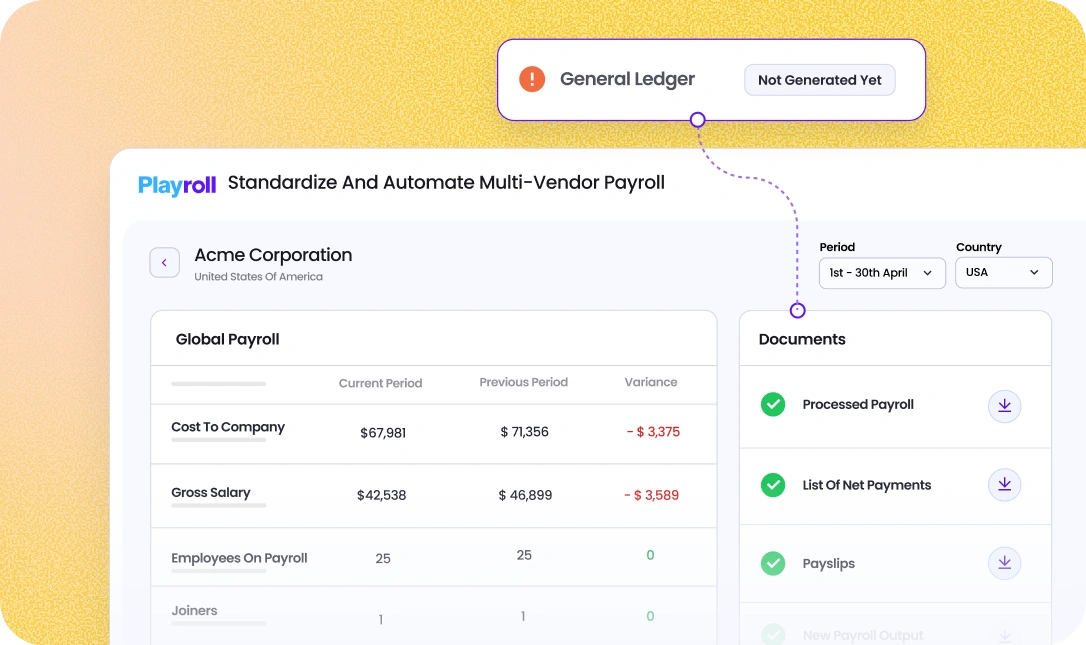
Minimum Wage in New York
New York’s minimum wage is set by state law and varies by region and employer size, with higher rates in New York City, Long Island, and Westchester than in the rest of the state. You must track the applicable regional rate for each work location and adjust pay when the state updates rates, typically on December 31.
Working Hours in New York
New York does not cap daily or weekly hours for most adults, but you must pay at least the minimum wage for all hours worked and comply with required meal periods, such as a 30‑minute break for shifts over 6 hours that extend over the noonday meal period. Certain industries, like factories and mercantile establishments, have additional day‑of‑rest and scheduling rules you should review.
Overtime in New York
New York follows the federal Fair Labor Standards Act standard of at least 1.5 times the regular rate for non‑exempt employees who work more than 40 hours in a workweek. State regulations also define exemptions and require you to include most nondiscretionary bonuses and differentials when calculating the regular rate.
In New York, you must comply with federal benefits rules such as the Affordable Care Act if you average 50 or more full‑time employees, and many employers offer health insurance and retirement plans to stay competitive. You also need to account for state‑mandated benefits like disability benefits insurance and paid family leave when designing your total rewards package.
Mandatory Leave Policies in New York
Paid Time Off in New York
New York law does not require general vacation or PTO, but once your company offers it, you must follow your written policy on accrual, use, and payout. You may set reasonable caps and “use‑it‑or‑lose‑it” rules if they are clearly communicated and not applied in a discriminatory way.
Many New York employers combine vacation, personal days, and sick time into a single PTO bank, but you must keep records that still demonstrate compliance with the state’s separate paid sick leave requirements. You should also clarify in writing whether unused PTO is forfeited or paid out at separation, consistent with New York case law and your policy.
Maternity & Paternity Leave in New York
New York provides robust bonding leave through Paid Family Leave, which allows eligible employees time off to bond with a new child (by birth, adoption, or foster placement) with partial wage replacement. Separately, New York Disability Benefits may provide partial income replacement for a birth parent’s own pregnancy‑related disability.
If your company is covered by the federal FMLA, eligible employees may also receive up to 12 weeks of unpaid, job‑protected leave for birth or placement of a child, which can run concurrently with New York PFL. You should coordinate these programs carefully so employees understand how benefits stack, how premiums are funded, and how job protection works.
Sick Leave in New York
Under New York State Paid Sick Leave, employees accrue at least 1 hour of sick leave for every 30 hours worked, up to annual caps that depend on employer size and income. Employers with 100 or more employees must provide up to 56 hours of paid sick leave per year, while smaller employers must provide up to 40 hours of paid or unpaid leave as the statute requires.
New York City and some localities have additional sick and safe leave ordinances that may be more generous than the state minimums. Your company must track accruals, allow carryover as required, and permit use for covered reasons such as illness, preventive care, and certain safety‑related needs.
Military Leave in New York
New York employers must comply with federal USERRA protections, which guarantee reemployment rights, continued benefits, and protection from discrimination for employees on covered military duty. State law adds protections for members of the New York National Guard and organized militia when they are called to state active duty.
While most private employers are not required to provide paid military leave, you must allow employees to use accrued vacation or PTO if they choose. You should document your military leave process so managers handle orders, documentation, and reinstatement consistently.
Jury Duty in New York
New York law prohibits you from disciplining or firing an employee for responding to a jury summons or serving on a jury. If you have 10 or more employees, you must pay the first $40 of the employee’s regular daily wages for the first 3 days of jury service, while smaller employers must at least provide unpaid, job‑protected leave.
You may ask employees to provide a copy of the summons or proof of service for your records. Your policy should explain how employees report jury duty, how pay is handled, and whether they must return to work if excused early.
Voting Leave in New York
New York’s election law allows employees who do not have sufficient time to vote outside working hours to take time off to vote, with some or all of that time paid depending on how much non‑work time they have. Employees generally must request voting leave in advance, and you must post a notice about voting leave rights before each election.
You should train supervisors not to discourage voting leave and to schedule it in a way that minimizes disruption while still honoring the statutory rights. Clear internal procedures help you avoid last‑minute conflicts on election days.
Bereavement Leave in New York
New York does not require private employers to provide bereavement leave, but if you offer it, you must follow your written policy consistently. Some employers provide 3 to 5 days of paid leave for immediate family members and less for extended relatives to remain competitive in the New York talent market.
New York law does prohibit discrimination based on familial status, so your bereavement policy should be neutrally written and applied. You should also clarify whether employees may use PTO or sick leave to extend time off beyond any dedicated bereavement allowance.
Termination Process
New York is an at‑will employment state, so you may generally terminate employment at any time for a lawful, non‑discriminatory reason, but you must still comply with wage payment, notice, and recordkeeping rules. You should document performance issues, collect company property, provide required notices about unemployment insurance, and issue a final wage statement.
Notice Period
New York law does not require individual notice periods for most terminations, but the federal and New York mini‑WARN Acts may require 60 or 90 days’ advance written notice for certain mass layoffs, plant closings, or relocations. You must also provide written notice of any change in pay rate or payday before it takes effect.
Severance
Severance pay is not mandated in New York, but many employers offer it in exchange for a release of claims, especially in layoffs or higher‑level separations. If you adopt a severance plan or policy, you must administer it consistently and ensure any release agreements comply with federal and state rules on age discrimination, harassment claims, and wage rights.

ABOUT THE AUTHOR
Jaime Watkins
Jaime is a content specialist at Playroll, specializing in global HR trends and compliance. With a strong background in languages and writing, she turns complex employment issues into clear insights to help employers stay ahead of the curve in an ever-changing global workforce.
How do you set up payroll processing in New York?

.png)
To set up payroll processing in New York, you must first obtain a federal EIN, then register with the New York State Department of Labor for unemployment insurance and with the New York State Department of Taxation and Finance for withholding tax. After registration, you should choose a compliant pay frequency, configure your system to withhold New York state and any applicable New York City or Yonkers taxes, and ensure you can generate detailed wage statements that meet New York’s Wage Theft Prevention Act requirements.
How does an Employer of Record help you hire in New York?
An Employer of Record helps you hire in New York by acting as the legal employer for state purposes, handling registrations, payroll, tax withholding, and mandatory benefits like disability and paid family leave while you manage the employee’s work. This lets you add New York employees quickly without creating a local entity or building in‑house expertise on New York’s detailed wage, leave, and notice rules.
Is there a minimum wage requirement for employees in New York?
Yes, there is a minimum wage requirement for employees in New York ($17.00 per hour in New York City), and the rate depends on the region and sometimes the industry. You must pay at least the statewide minimum wage for hours worked, but if your employees work in New York City, Long Island, or Westchester County, you often have to pay a higher local minimum that is updated periodically by the state.
How much does it cost to employ someone in New York?
The cost to employ someone in New York includes base salary or hourly wages, employer payroll taxes (Social Security, Medicare, FUTA, and New York unemployment), plus required insurance and programs like workers’ compensation, disability benefits, and paid family leave. You should also budget for health benefits if offered, potential local taxes, and higher wage expectations in markets like New York City, which can significantly increase your total employment cost compared with other states.

.svg)








































.svg)