.svg)
.svg)
.svg)
.svg)


.svg)


You may come across employee benefits administration when you’re making sure your team gets the right mix of benefits – like health benefits, retirement savings, paid time off – and you also want to manage it in a way that’s organized, compliant, and cost-effective. It matters because it helps you deliver value to your team, avoid regulatory issues, and build a smoother system for offering employee benefits.
For example, imagine you hire a full-time employee in South Africa. Through good benefits administration, you’ve pre-set a health-insurance plan, a retirement-contribution setup, and a paid-leave policy. When that person starts, your system enrolls them, applies the right rules, tracks eligibility, and integrates local regulations. That’s fewer manual tasks for your HR team, fewer mistakes, and a better experience for the employee. At the end of the day, employee benefits administration helps your business run better, and your people feel supported.
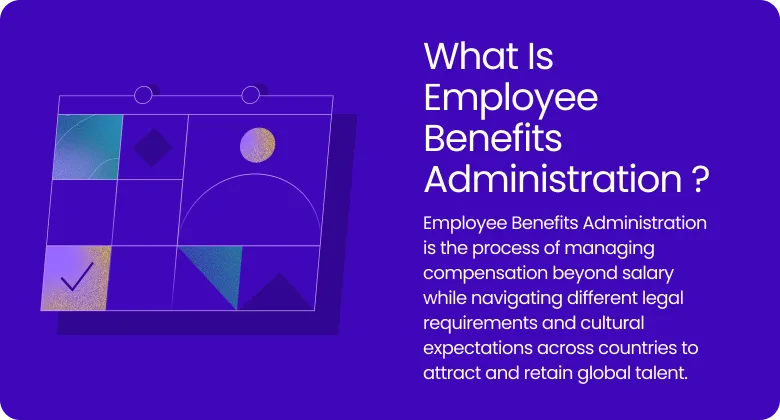
What are Employee Benefits?
Employee benefits are the extra elements your company provides above and beyond base salary. They’re all the perks and protections that help make your total compensation package more appealing, and help you stand out as an employer of choice to top talent. Typical benefits include the following:
Life, Health, and Disability Benefits
This covers health insurance (such as medical, dental, and vision), life insurance, and short and long-term disability protection. You might offer your full-time employees comprehensive health cover so their families are included and they feel secure in case of emergencies.
These benefits help your team focus on work (instead of mulling over “what if” scenarios) and show you care about mental and physical well-being.
Personal and Family Benefits
These refer to benefits that show employees that the business supports them beyond the workplace and during major life events. They may include paid time off (PTO), parental leave, childcare support, flexible working hours, or even family-friendly perks. These kinds of benefits build loyalty and reinforce that your company cares about its people.
Corporate and Workplace Benefits
This refers to benefits such as wellness programmes (like gym or mindfulness sessions), commuter allowances, team events, work-from-home setups, and company retreats. All of these benefits are designed to shape your workplace culture holistically and create a supportive space that aligns with how people want to work in today's world.
These initiatives not only create a more vibrant environment for employees but also boost morale and make your team members feel a part of something larger than themselves.
Education and Training Benefits
Investing in your people is a powerful tool. Benefits like tuition reimbursement, certification support, skill-development workshops, and mentorship initiatives all fall into this category. When your employees see that you are committed to their growth, you strengthen both their careers and your organisation’s capabilities.
What is the Importance of Effective Employee Benefits Administration?
Getting employee benefits administration right matters for any employer but especially those with a global team. Here are a few reasons why you should care about employee benefits administration:
- Ensures legal compliance: It helps you navigate differing labor laws in each region, avoiding penalties and keeping your business safe.
- Simplifies benefits for your team: When enrolment, changes, and support are streamlined, employees know what’s offered and how to access it.
- Improves efficiency & accuracy: Efficient benefits administration reduces manual errors, duplicate data, and hidden costs.
- Supports attraction & retention: Offering competitive benefits that are well-managed helps you attract and retain top talent across borders.
- Boosts engagement & wellbeing: When employees feel that their benefits are impactful, they are more likely to stay, be productive, and value your company.
- Strengthens total compensation value: Benefits contribute to the full picture of what you offer other than salary.
5 Essential Steps in Employee Benefits Administration
It takes more than guesswork to develop and run an effective benefits program that serves your global team. We’ve come up with five essential steps to guide you in creating the best benefits program for your employees:
1. Decide Which Employee Benefits to Offer: Start by defining the benefits you’ll provide. Are you thinking about health insurance, retirement contributions, wellness perks, or a combination of all three? Think about every type of worker you have – this may include full-time, part-time, temporary, and contract – and decide who is eligible for which benefits.
2. Check Compliance: Benefits don't exist in a vacuum. This means that you have to take each country’s local labor laws into account when developing your benefits program. Always review and compare your benefits plans against local regulations to stay compliant and competitive.
3. Educate Employees About Benefits: Even if you’ve curated the best selection of benefits for your employees, they won’t be effective if they aren’t understood. Dedicate some time and resources to thoroughly communicating what’s on offer, how to enrol, important deadlines, how to add dependents, and how the benefits will impact their lives.
4. Offer Regular Updates and Training: Markets and laws change often, so it’s important to keep your benefits education aligned with the times. Hold annual or periodic sessions – especially around open-enrolment periods – to remind employees, update them on changes, and highlight how to get the most from their benefits.
💡Heads-Up:
- Open enrollment is that once-a-year window when people can sign up for benefits or adjust their coverage before the new plan year begins – without needing a special life event (like marriage or adding a child).
- For marketplace-based health plans (for individuals and families), the usual U.S. open-enrolment window runs from November 1 through January 15 in most states.
- If your company offers employer-sponsored plans (health, dental, vision, retirement, etc.), many U.S. organisations choose to hold open enrolment in the fall, over about 2–4 weeks, so that any new or updated benefits kick in at the start of a new calendar year.
5. Monitor and Improve Continuously: Leverage data and feedback in your benefits development process. You can track how many employees enrol, which benefits are underused, and gather feedback through surveys. Identify gaps or friction points, then make changes accordingly. Continuous improvement keeps your benefits relevant.
What is the Employee Benefits Security Administration?
The Employee Benefits Security Administration (EBSA) is a U.S. government agency under the Department of Labor that oversees retirement, health, and welfare benefit plans. EBSA’s role is to ensure that when you promise a benefit, you follow through. This promotes transparency, trust, and legal compliance.
For example, EBSA may require employers to disclose the details of pension plans, explain how benefits are funded, and protect employees’ rights. While EBSA may be U.S.-specific, the concept underscores why the benefits administration process matters: it highlights the governance, trust, and accountability behind the benefits you offer.
Best Practices for Benefits Administration
Here are practical, actionable ways you can keep your benefits administration reflective of the global landscape and supportive of your employees:
1. Communicate Clearly and Often
Regular, transparent communication builds trust. Make sure employees know:
- What benefits they have
- How these contribute to their total compensation
- employer contributions
- key deadlines
- How to make changes
- Who to contact for support
Try to use accessible language, visuals like infographics or short videos, and offer multilingual support to help globally distributed teams.
2. Utilize Technology
The right HR software or benefits administration system can revolutionize your organization. It can automate tasks (such as enrollment and renewals), reduce manual data entry, integrate benefits data with payroll and HR records, and provide real-time visibility across countries. With global teams, technology helps scale, maintain accuracy, and manage complexity.
3. Gather Feedback
Your employees will provide valuable data, given that they probably use these benefits daily. Use surveys, focus groups, or analytics to understand what they value, what they don’t use, and where there may be potential gaps in your benefits offering.
Feedback lets you refine your benefits packages and your administration process so it stays relevant and reflects your employees’ needs.
4. Provide Enrollment Guides and Tutorials
Don’t assume all employees understand the benefits process equally. Provide user-friendly guides, video tutorials, FAQs, and translations if needed. This ensures that your team globally can understand their options, complete enrolment smoothly, and can access support when needed.
5. Monitor the Enrollment Process
Track who’s enrolled, who hasn’t, which benefits are underused, and where there are bottlenecks. Use dashboards and reports to spot patterns, like certain regions under-enrolling, and follow up on these insights. Identifying issues early means you’re not overwhelmed with issues down the line.
One size doesn’t fit all, especially when it comes to benefits. Playroll’s platform tailors perks by region, ensures compliance, and helps you attract and keep global talent.
Learn More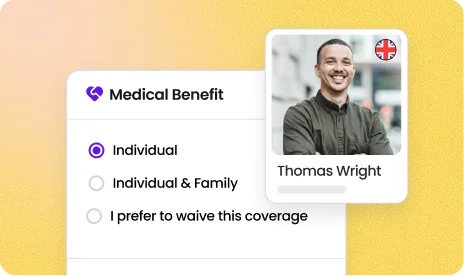
Employee Benefits Administration FAQs

.png)
It regulates and enforces U.S. laws related to employee benefit plans, including retirement and health-welfare programs, to ensure plan integrity and protect employees.
It’s the process your company uses to manage the offering, enrollment, maintenance, and communication of benefits across your workforce. This should ensure that employees can understand and access what you provide.
Choose a global benefits administration software that automates enrollment, manages compliance across markets, integrates with your HR systems, and gives analytics on engagement and cost. These capabilities reduce manual work, minimize errors, and support strategic decision-making.

ABOUT THE AUTHOR
Milani Notshe
Milani is a seasoned research and content specialist at Playroll, a leading Employer Of Record (EOR) provider. Backed by a strong background in Politics, Philosophy and Economics, she specializes in identifying emerging compliance and global HR trends to keep employers up to date on the global employment landscape.

.svg)




















.svg)