.svg)
.svg)

.svg)
.svg)

Copied to Clipboard

Ready to get Started?


Running payroll in India requires strong local expertise. What makes India particularly challenging is that compliance operates at both central and state levels. You need to navigate progressive income tax slabs, state-specific professional tax rules, EPFO and ESI regulations, labour laws such as the Shops and Establishments Act, and detailed payslip formatting requirements, all while keeping pace with frequent regulatory updates.
There’s very little margin for error, with penalties ranging from monthly interest on late PF deposits to daily fines of up to ₹200. For foreign employers, the complexity can come as a surprise, especially when factoring in permanent establishment exposure, worker classification risks, and the practical realities of registering and running payroll compliantly in-country.
In this guide, I’ll break down 2026 payroll costs, leading providers, real-world user insights, and a practical compliance checklist so you can choose the best payroll partner in India for your stage of growth.
Payroll Services in India: What They Include and Why They Matter
Any solid Indian payroll provider should nail the basics without breaking a sweat, because those basics are loaded with compliance requirements.
At a minimum, this includes:
- Accurate gross-to-net salary calculations covering basic pay, house rent allowance (HRA), dearness allowance (DA), and statutory deductions such as Tax Deducted at Source (TDS), Provident Fund (PF - 12% from both employee and employer), and Employees’ State Insurance (ESI - 0.75% employee and 3.25% employer)
- Generating compliant payslips with all mandatory fields
- Filing required returns with authorities like the EPFO and ESIC
Most providers also manage statutory payments and accruals, including:
- Maternity benefits under the Maternity Benefit Act
- Gratuity eligibility after five years of service
- Leave encashment
In India, running payroll correctly matters because each compliance component is woven into the fabric of Indian labor law. Getting them wrong can lead to major issues like employee grievances, labor court disputes, or audits from the Ministry of Labour and Employment.
If you miss the remittance deadline by just one month, you may owe:
- 1.5% interest per month on ₹27,000 = ₹405 for that employee
- Additional late filing fees and potential penalties
Now multiply that across 20 employees, and a single missed deadline could easily cost ₹8,000+ in interest, excluding penalties.
The same pressure applies to other contributions:
- Provident Fund (PF) contributions (12% from employer and 12% from employee) must be paid by the 15th of the following month, or interest of 12% per annum applies, along with potential damages.
- ESI filings are monthly, and delays can disrupt employee access to medical benefits, often leading to immediate complaints or labour scrutiny.
What Should You Consider When Choosing a Payroll Provider in India?
With that landscape in mind, here's what our team would prioritize when vetting a payroll provider in India:
- Local Payroll Compliance Coverage: Make sure the provider handles the full compliance cycle, from TDS deductions and filings to PF and ESI registrations and remittances. This should also include state-level professional tax, gratuity calculations, statutory bonus payments, and year-end filings such as Form 16 and Form 24Q. It’s equally important to understand how they deal with corrections and risk. Ask how they manage amendments, calculate interest on late payments, and respond to notices from authorities like the Income Tax Department.
- Entity vs No-Entity Support: If you have an Indian subsidiary, confirm payroll-only services under your PAN and TAN. For those without a local entity, look for Employer of Record options to run payroll compliantly.
- Employment Types Supported: Indian payroll covers full-time employees, contract workers, apprentices, and gig economy roles. Make sure they process variable pay like incentives, overtime (up to 50% premium), equity grants, reimbursements, and allowances without tax leaks. Complexity ramps up with remote or multi-state teams.
- Payments & Cut-Off Times: Payroll often runs through NEFT/RTGS or UPI, with strict cut-offs. Verify funding timelines, especially for cross-border transfers, and transparency on FX rates. Ask about same-day payouts and handling festival advances or mid-month draws.
- Reporting & Audit Trail: You should have secure digital payslip storage, detailed payroll registers, challan copies for TDS/PF/ESI payments, Form 16 generation, and quarterly TDS return records (such as Form 24Q). For global operations, audit-ready documentation is essential, including traceable TDS certificates, PF contribution statements, and clear payment trails tied to statutory filings.
- Support Quality: Look for a provider that offers dedicated account managers. Indian payroll has tight windows and delayed support during key moments like Diwali payroll rushes can spell trouble. n
- Pricing Transparency: Dig past per-employee fees and look for setup costs, per-transaction charges for off-cycles, year-end filings, ESI add-ons, and any FX margins. Bear in mind that the cheapest option often skips critical compliance tools.
Navigating Indian Payroll? Start Here.
From TDS deductions and PF/ESI remittances to professional tax registrations, labour law compliance, and year-end Form 16 filings, our India Payroll Guide walks you through the full statutory landscape clearly and practically.
Explore the Guide
Estimated Cost of Payroll Services in India
In 2026, Indian payroll services typically range from ₹200 to ₹1,000 (approximately $2.40–$12 USD) per employee per month, depending on whether it's software-only or fully managed. Smaller providers might bill per run, while enterprise ones factor in headcount and complexity.
- 1 Employee: ₹300–₹800 per month (about $3.60–$9.60)
- 3 Employees: ₹900–₹2,400 per month (about $10.80–$29)
Standard packages cover payroll runs, statutory filings, and payslips. Extras like onboarding fees (₹5,000–₹20,000 / ~$60–$240), off-cycle processing, gratuity admin, or HR integrations often add up. Use tools like the employer payroll tax calculator to estimate full costs.
Leading Payroll Service Providers in India in 2026
Picking a payroll provider in India is about finding one that fits your scale, handles the regulatory maze, and grows with you. The ideal match depends on your team size, entity status, and if India's part of a bigger global picture.
Below, we've highlighted leading options for 2026, including who they're suited for, plus strengths and weaknesses you should be aware of . This gives you a starting point tailored to compliance needs.
- Playroll: Playroll is built for international companies that need Indian payroll to work seamlessly within a broader multi-country setup. Beyond salary processing, Playroll consolidates Indian payroll into a unified global dashboard, giving finance and HR teams real-time visibility across countries. Built-in variance checks flag unusual cost shifts between payroll cycles, helping you catch errors or compliance risks early. And our in-house legal specialists and dedicated support teams provide hands-on guidance, ensuring both you and your employees have reliable, locally informed support when it matters most.
- ADP: ADP is a heavyweight built for large enterprises and multinationals. It’s a good choice if you need solidly integrated payroll and HR, strong reporting, and reliable handling of complex Indian requirements like EPF, ESI, TDS, and multi-state compliance. The trade-off? Higher pricing and a more involved implementation process meaning it’s not always ideal for smaller or fast-moving teams.
- greytHR: greytHR is best for Indian SMEs and mid-sized businesses that want payroll-first automation with strong statutory coverage. It integrates easily with attendance and leave systems and is known for reliable, regulation-focused processing. That said, it can feel expensive for very small teams and isn’t built for global payroll complexity.
- Keka: Keka works well for mid-sized Indian businesses looking for an intuitive, all-in-one HRMS with solid payroll automation. It offers guided workflows, mobile access, and compliance support as labour laws evolve. Just keep an eye on add-ons like advanced analytics or deeper integrations which can increase the total cost significantly.
- Zoho Payroll: Already using Zoho? Then Zoho Payroll is an easy add-on. It’s affordable, simple to set up, and handles common Indian payroll elements like HRA, LTA, bonuses, and statutory filings smoothly. The downside is scalability. It’s not designed for large, complex, or multi-country payroll operations.
- Deel: Deel is popular with startups and remote-first companies hiring in India without a local entity. It acts as an EOR, managing taxes, benefits, and compliant onboarding while supporting multi-currency payments. It’s very convenient but per-employee pricing is considerably higher than other providers. Support is managed through a ticketing system which means issues can take longer to resolve.
- RazorpayX Payroll: If you’re a startup already in the Razorpay ecosystem, RazorpayX Payroll keeps things streamlined. It connects payroll with direct bank payments and automates TDS, PF, and ESI filings. It’s efficient for disbursements, though it doesn’t have as many HR features or global coverage as other more established providers.
- PeopleStrong: Geared toward mid-to-large Indian companies, PeopleStrong is great for comprehensive payroll outsourcing plus employee self-service tools. It handles compliance and salary processing at scale. For smaller companies, however, the full-service model can mean higher costs and longer onboarding times.
- Darwinbox: Darwinbox stands out as a modern, enterprise-grade HRMS with strong payroll capabilities and AI-driven insights. It’s a good match for large organisations needing customization and multi-state compliance support. Smaller businesses may find it more complex (and pricier) than necessary.
- Salarybox: Salarybox is built for Indian startups and SMEs that want straightforward statutory compliance and simple, mobile-friendly payroll. It’s strong on automation and integrates well with tools like Tally. The limitation is that it’s very India-focused, so it’s not ideal for global expansion.
- Papaya Global: Papaya Global is designed for multinational companies that want unified global payroll, including India, with consolidated reporting and advanced analytics. It handles complex compliance well at scale. However, its enterprise focus and premium pricing make it less attractive for smaller or purely domestic teams. Plus, Payapa operates through a purely partner model meaning communication delays are common and compliance isn’t as tight as other providers.
- Remote: Remote is another EOR option for companies hiring in India without a local entity. It simplifies compliant onboarding, payroll, benefits, and even equity support for distributed teams. Like other global EORs, it’s convenient, but costs per employee are much higher than local payroll providers and other EORs. with each add on coming with its own price tag.
Hiring in India? Let’s Make Payroll Simple
We've got boots on the ground in India, so we get the TDS deadlines, PF nuances, and real-world challenges. If you want compliant, locally supported payroll built for global scale, we're here.
Speak to an Expert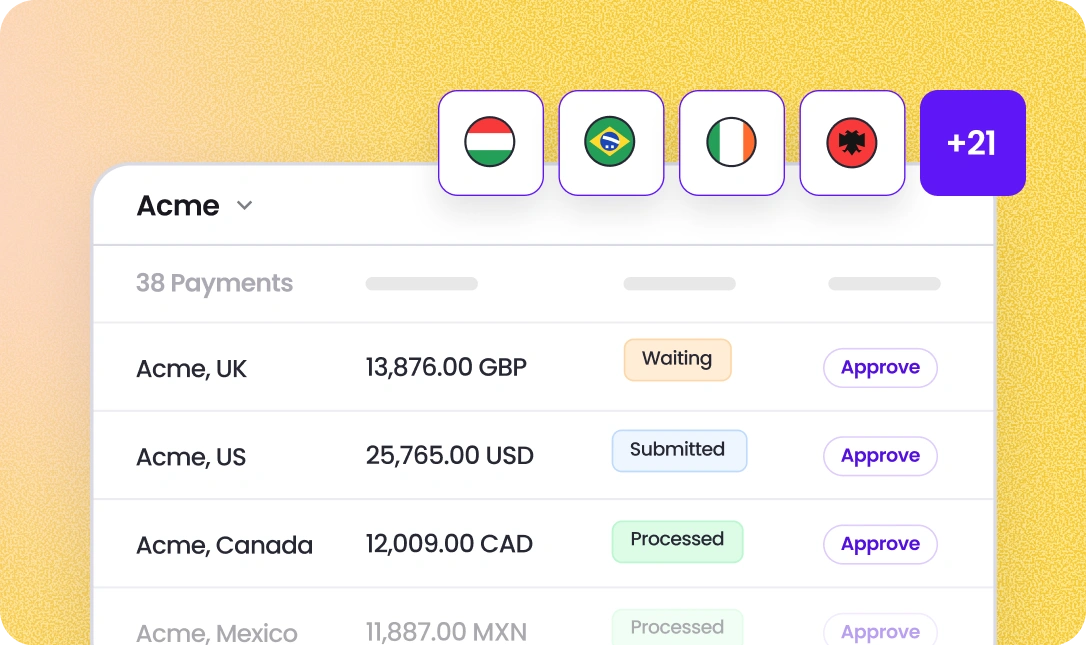
Insights from Real Users
Playroll:
"We have been using Playroll as our Employer of Record (EOR) since starting operations in South Africa in 2022 and expanding to India in 2023. From day one, the experience has been exceptional. Their expertise and guidance have been invaluable in navigating complex regulations in foreign jurisdictions. What truly sets Playroll apart is how all departments work seamlessly together, synchronizing efforts to deliver positive, timely outcomes every single time.”
- Verified G2 User
RazorpayX Payroll:
“3 year old funded startup. Great experience with RazorpayX so far. For banking and payouts, I would definitely recommend it. You avoid a LOT the paperwork and secretarial work required for commercial banking except while setting up. The only drawback is that their full stack features in current account only work with RBL and the customer service is shoddy at best.”
- Verified Reddit User
What the Onboarding Process Looks Like With a Payroll Provider in India
The onboarding phase of working with an Indian payroll service provider is where you build a solid payroll foundation: aligning employee data, completing statutory registrations, and stress-testing processes before the first live run.
Done properly, it prevents small configuration errors from snowballing into tax notices, interest charges, or employee disputes later. It’s a collaborative process between your team and the provider and it’s what ensures every monthly payroll cycle runs properly from day one.
Step 1: Registrations and Setup
The first phase is making sure your business is properly registered and visible to the right authorities.
- Key registrations may include: PAN, TAN (for TDS), EPFO, ESIC, and state-level professional tax registrations (as applicable eg. EPF is generally mandatory once you cross 20 employees).
- Your role: Provide company incorporation documents, registered address details, authorized signatory information, employee headcount, and any existing registration numbers if you’re already set up.
- Provider’s role: Validate existing registrations, configure your statutory IDs in their system, and align your payroll calendar with statutory due dates (7th for TDS, 15th for PF, etc.).
Step 2: Employee Data Intake and Salary Structuring
Next comes employee-level setup where accuracy arguably matters most.
- Data typically collected includes: Aadhaar, PAN, bank details, salary structure breakdown (basic, HRA, allowances), tax declarations (Form 12BB), and nomination details for PF/ESI where applicable. If you’re switching providers mid-year, you’ll also need to share Year-to-Date (YTD) payroll data to ensure accurate tax continuity.
- Your role: Submit signed contracts, compensation structures, tax declarations, and any prior payroll records.
- Provider’s role: Map earnings and deductions correctly, validate PAN/TAN formats, check PF/ESI eligibility, and flag inconsistencies before the first live run.
Step 3: Statutory Configuration and Rules Engine Setup
At this stage, your payroll provider programs the actual deductions and employer contributions that will apply to each employee.
- Your role: Confirm each employee’s salary structure (basic vs allowances), choose the applicable tax regime, confirm benefit policies, and clarify whether any voluntary contributions or special components apply.
- Provider’s role: Enter these rules into the payroll system, apply the correct thresholds and caps, test the calculations against sample scenarios, and ensure the deductions align with current Indian statutory requirements before the first live run.
This includes setting up:
- Provident Fund (PF): 12% deducted from the employee’s basic salary and 12% contributed by the employer
- ESI: 0.75% employee and 3.25% employer contributions for employees earning ₹21,000 or less per month (if applicable)
- Professional Tax: State-specific slabs based on where the employee works
- TDS: Income tax calculations under the correct regime (old or new), based on each employee’s declaration
- Gratuity Accruals: Tracking long-term eligibility (after five years of service)
- Statutory Bonus Rules: If your company falls under the Payment of Bonus Act
Once approved, the provider processes the first live payroll, generates payslips, and initiates statutory filings and remittances.
Checklist for Compliantly Running Payroll in India
Here are the core requirements to keep payroll compliant in India:
1. Registrations & Setup
- Obtain PAN and TAN
- Register with EPFO and ESIC (mandatory once thresholds are met)
- Register for state professional tax and Shops & Establishment (if applicable)
2. Payroll Tax Withholding (TDS)
- Deduct TDS based on applicable income tax slabs (nil to 30%) under the chosen tax regime (old or new)
- Factor in taxable allowances and exemptions (HRA, LTA, etc.)
- Remit TDS by the 7th of the following month
- File quarterly TDS returns (Form 24Q)
- Issue Form 16 annually
3. Statutory Contributions
- Provident Fund (PF): 12% employer + 12% employee (due by the 15th of the following month)
- ESI: 0.75% employee + 3.25% employer (for wages ≤ ₹21,000 threshold)
- Professional Tax: State-specific slabs and deadlines
- Labour Welfare Fund (LWF): If applicable in your state
- Statutory bonus under the Payment of Bonus Act (if eligibility criteria are met)
4. Payslip & Record Requirements
- Issue payslips showing gross pay, deductions, and net pay
- Display PF UAN and ESI details (if applicable)
- Maintain payroll registers and challan records
- Provide payslips electronically or in print by payday
5. Leave & Statutory Benefits
- Annual leave entitlements as per state law
- Maternity leave (26 weeks under the Maternity Benefit Act)
- Track gratuity eligibility (15/26 of last drawn wages per year after 5 years of service)
- Calculate leave encashment per applicable law
6. Termination & Final Settlement
- Process full and final settlement within timelines set by state law
- Include unpaid salary, leave encashment, bonus (if due), and gratuity (if eligible)
- File exit formalities with PF/ESI authorities
7. Common Pitfalls for Foreign Employers
- Misclassifying contractors (leading to backdated PF liabilities)
- Ignoring permanent establishment (PE) risks
- Incorrect handling of tax-exempt allowances
- Missing e-TDS filings or remittance deadlines
- Overlooking state-level variations in labour law
Key Takeaways
Hiring in India can feel overwhelming at first when you’re juggling tax registrations and professional tax by state. There’s a lot to get right. Playroll helps you handle those moving parts in a structured way, whether you’re hiring through your own Indian entity or using an Employer of Record while you test the market.
As your team grows, you can move from EOR to direct payroll without rebuilding everything from scratch. You’ll have clear pricing, practical support from people who understand Indian compliance, and a system that keeps your payroll organized and on track.
Ready to grow your team globally? Book a chat and let’s make it happen.

ABOUT THE AUTHOR
Jaime Watkins
Jaime is a content specialist at Playroll, specializing in global HR trends and compliance. With a strong background in languages and writing, she turns complex employment issues into clear insights to help employers stay ahead of the curve in an ever-changing global workforce.
10 Payroll Services in India for 2026: Providers, Pricing & Reviews FAQs
What statutory payroll registrations should a provider handle in India?

.png)
A strong India payroll provider should support onboarding for PAN/TAN tax setup, EPFO, and ESIC registrations so salary processing and statutory deductions can start without compliance delays.
How do Indian payroll providers manage EPF and ESI compliance?
Providers should calculate employee and employer contributions, generate challans, and support monthly filings on EPFO and ESIC portals with audit-ready records for inspections.
Can payroll services in India support TDS and year-end tax documents?
Yes, most mature providers automate monthly TDS calculations, deposit workflows, and annual statement support aligned with Income Tax portal requirements and deadlines.
What payroll controls matter most for multi-state teams in India?
Key controls include configurable state-level labor settings, approval workflows, statutory calendar tracking, and exception reporting for late attendance, arrears, and off-cycle payments.
How should employers evaluate payroll data security in India?
Ask for role-based access controls, encryption standards, backup policies, and breach-response procedures, and confirm how payroll data is retained and exported for audits.

Back to Top
.svg)








.svg)